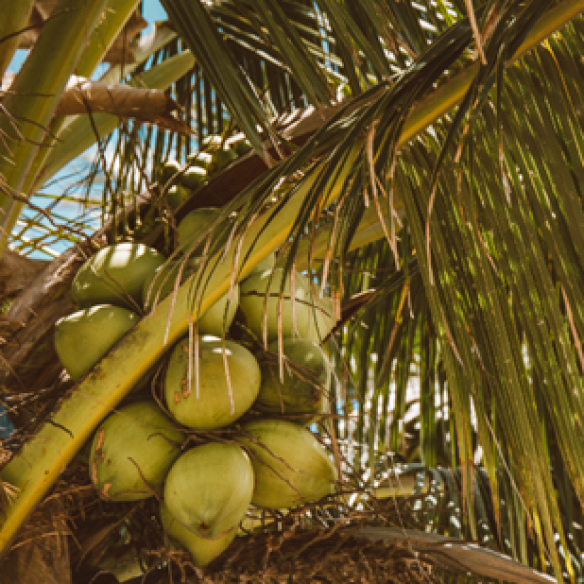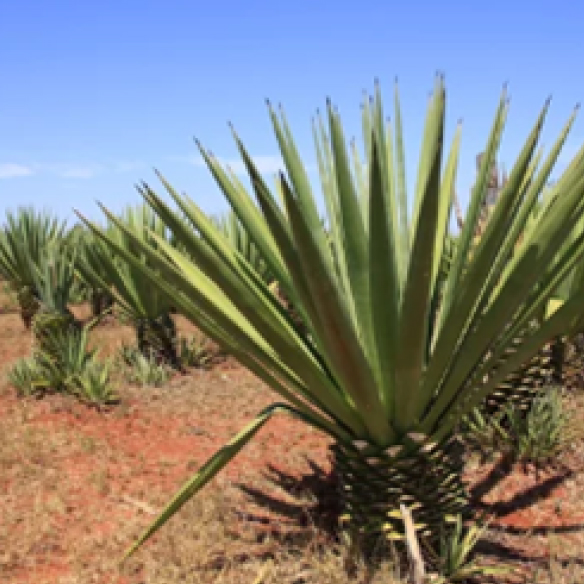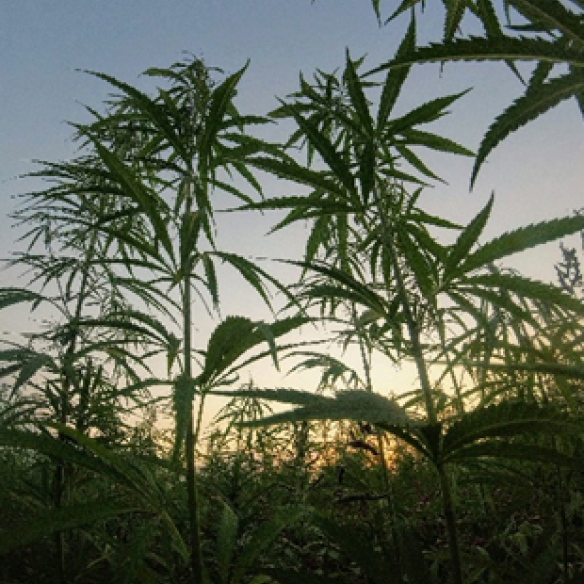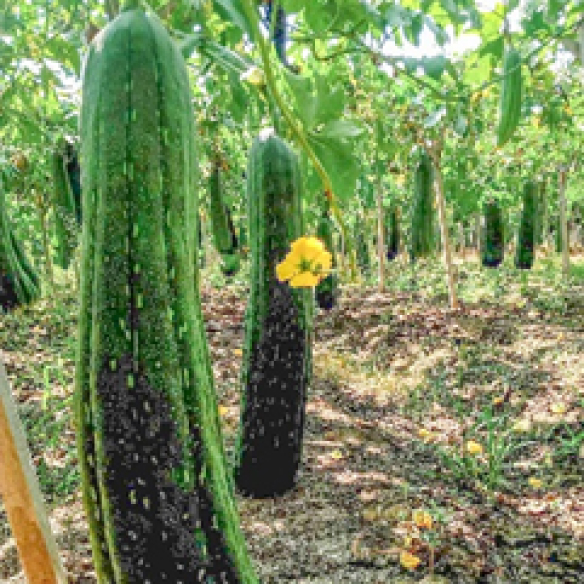


• Coconut

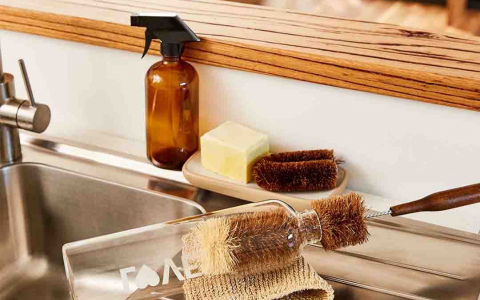
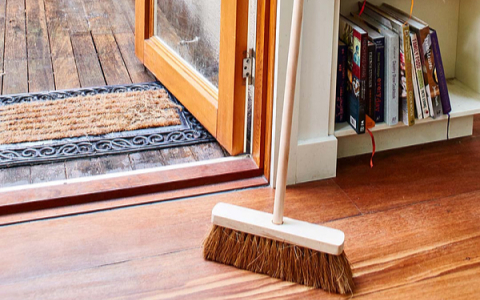
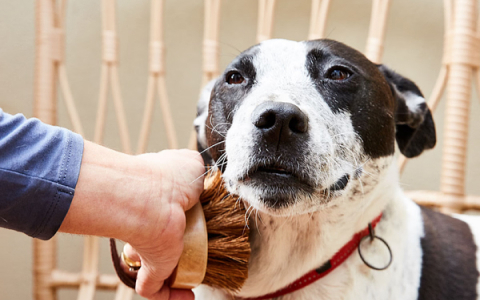
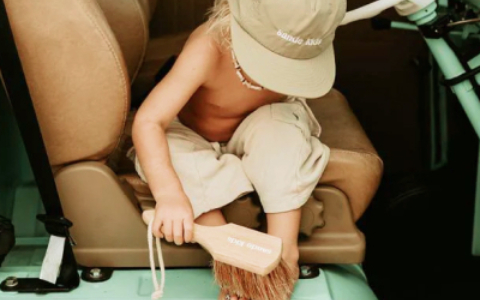
    Cocos nucifera (coconut) is extensively grown for its fruit in Sri Lanka, but the shells and husks are generally discarded. It is this fibrous outer covering of the fruit that we consider our holy grail. Often referred to as coir, coconut fibre is a highly resilient material, it is naturally resistant to microbes and fungi, it is tough and durable and makes the perfect base for an endless variety of natural, biodegradable brush ware.

  • Sisal

    Sisal is the fibre sourced from the plant agave sisalana, this is a plant with adaptations allowing it to survive in environments with poor soil and little liquid water. As it thrives on marginal land, it needs little in the way of water, fertilizer or pesticides to successfully farm and it also has no fixed harvest period allowing for farmers to cut the crop at their convenience. One of the oldest uses for sisal is to craft rope for naval vessels because of its strength, durability and resistance to sea water.

  • Jute

    Jute has traditionally been grown to make into burlap sacks for packaging of various raw commodities, as the use of plastic packaging has increased the need for jute has decreased affecting the established farm holders primarily in India and Bangladesh. Jute plants are easy to grow, have a high yield and have little need for pesticides and fertilisers. Jute fibres are long and silky soft and make for the perfect gentle fibre in our brush ware.

  • Rubber wood

    Natural rubber is one of Sri Lanka’s largest exports, the rubber trees are productive for around 30 years and at the end of this time the trees are cut down. The discarded timber is increasingly being used as a sustainably sourced hardwood for furniture making. We source the timber offcuts from the furniture manufacturers to make many of the timber handles for our brushes, we choose manufacturers using FSC certified rubber wood ensuring the timber comes from sustainably managed plantations

  • Hemp

    Hemp is one of the oldest and most significant crops cultivated throughout human history. Its versatility has meant that for thousands of years it has been grown for use in a range of products including rope, textiles, paper, oil, medicines and cosmetics. In fact, hemp was probably the first textile fibre cultivated, with remnants of cloth found in ancient Mesopotamia (currently Iran and Iraq) dating back to 8,000 BC. Hemp is very strong long lasting and gets better over time becoming softer the more you use it.

  • Ekel

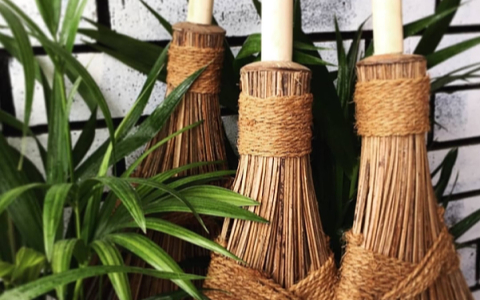
    An ekel is the dried centre rib of a fallen coconut palm frond, and is used to make traditional Sri Lankan outdoor brooms, the word ekel is of Tamil origin.

    Before it becomes a broom, the palm frond has withstood harsh winds and heavy rains, it is made to bend and flex with the wind and naturally discourage insect and fungi attacks, in short, the palm frond is made to last.

  • Loofah

    Luffa aegyptiaca, the sponge gourd or Egyptian cucumber has fruit that can grow up to 80cm in length resembling giant cucumbers. When the fruit is still young and immature it can be harvested for eating, making a tender, naturally sweet vegetable perfect for stir-frying. If the fruit is allowed to fully ripen on the vine it becomes strongly fibrous and inedible, but cooking’s loss is our gain as once all the flesh is removed the strong fibre network make for some very useful scrubbing sponges. Used as both a cleaning sponge in the kitchen and bathroom and an exfoliating sponge great for bathing, this is one very useful fruit.

  • Sinamay

    The Philippines is a major producer of sinamay, a fabric made from abaca fibres, from the processed stalks of the abaca tree, a type of banana native to the Philippines. The fibres are three times stronger than cotton or silk and a fabric made from 100% abaca can last for over 100 years.

    The word “sinamay” comes from the Visayan term samay, which means “to weave”.

    The woven fabric is flexible with a slight stiffness that allows it to keep its shape. With a loose weave the fabric is see-through making it the perfect replacement for a plastic bag.

Managing to adapt and diversify to fill a dazzling array of environmental niches, plants are a sustainable force of nature.
0
    0
    Your Cart
    Your cart is emptyReturn to Shop